
Popeye Mike’s Forearms: The Old-School Secret to Building Arms That Command Respect
by- Josh Bryant
Growing up there was a guy down the street we all called Popeye Mike.
Single dude. Jacked. Always had different girlfriends coming and going who looked like they had just rolled in from a late night at the Wrangler’s Club in Antlers, Oklahoma. Tight jeans, beehive hair, and enough lipstick and rouge to paint a barn.
Naturally, me and my buddies spent a lot of afternoons ding dong ditching his house.
He would burst out the door growling like a junkyard dog and chase us halfway down the street. We always thought we outran him, but looking back he could have caught us every time. He would get within a couple feet and stop.
Truth is he was just a cool dude. The kind of guy who would scare a bunch of kids half to death and laugh about it later.
Meanwhile today someone would probably be on the HOA Facebook page writing a dissertation about it and calling the cops because two kids rang a doorbell and ran.
What I remember most though was his front porch gym. A bench, a squat rack, dumbbells, and a curl bar sitting out there in plain view.
Every time we rode past, he was lifting. Most of the time he was training his forearms.
Wrist curls. Reverse wrist curls. Hammer curls. Four or five days a week like clockwork.
To this day those are the most impressive forearms I have ever seen.
Which brings us to forearm training.
Forearms That Command Respect
Big forearms are the centerpiece of a no-nonsense physique. They scream strength. They tell people you grip barbells, handle dumbbells, and move real iron instead of hiding on chrome machines chasing a pump.
More contemporary examples you might recognize are world-class strongmen and strength athletes. But you also see it with the trades. The guys framing houses, hanging drywall, pouring concrete, running pipe, or hauling feed sacks all day.
Well-developed forearms are one of the clearest physical signals of raw masculine strength. Thick forearms look like they can crush a handshake and rip a loaded barbell off the floor.
You see it with the really strong guys. The dudes in West Texas who hang drywall all day in the heat, then roll into the YMCA and pull 495 for 10 on the deadlift like it is nothing.
After that they run their ceremonial 400 meters, something their football coach drilled into them decades ago. Even at 45 years old they can still hit the time.
Then they stand in the parking lot, light up a Camel Unfiltered, and talk shop like it was just another Tuesday.
Strong forearms let you squeeze the bar harder. When the grip tightens, the rest of the body wakes up. More muscle fires, which means more weight on the bar.
More weight on the bar builds more muscle. Period.
If you want forearms for form or function, the exercises below will build both.
Let’s start with one of the nastiest grip builders around.
Forearm Work and Grip Strength
When most people think about grip training they jump straight to function. They start hanging from bars, squeezing grippers, and carrying heavy implements.
That works.
But if your goal is the kind of forearms that make people notice the second you reach across the counter, the kind with spiderweb veins and knotted muscle that look like they were built from years of hard work, the muscle itself matters.
Thick forearms signal that you spend time gripping barbells, handling dumbbells, and moving real iron.
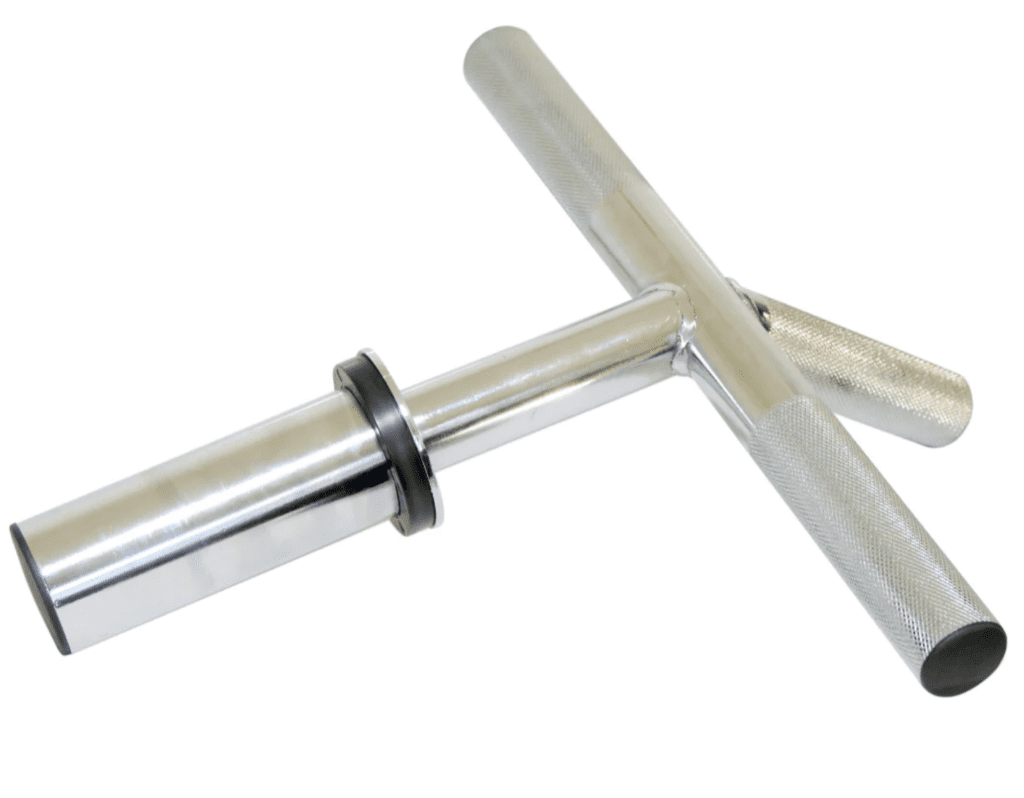
For the first four movements I highly recommend using the StrongArm. It is the most effective tool I have found for directly training the forearms.
It is small, simple, and easy to throw in your gym bag, which means you can bring it into almost any gym and use it without needing special equipment or a complicated setup.
I have been using it regularly and it has become one of my favorite ways to add focused forearm work without adding much time to a training session. We will include a link below for those interested.
Grab the Strong Arm RIGHT HERE.
Wrist Curls
Build the forearm flexors that give the lower arm most of its thickness.
3 sets of 20 reps performed slowly and under control.
Wrist Extensions
Targets the often neglected extensors that balance the forearm and protect the elbow.
3 sets of 20 reps.
Radial Deviation
Trains the thumb side of the wrist and adds density to the upper forearm.
2 sets of 15 to 20 reps.
Ulnar Deviation
Strengthens the pinky side stabilizers and rounds out total forearm development.
2 sets of 15 to 20 reps.
Once that muscle is trained we start putting the grip itself to work.
Towel Pull Ups
Loop a towel over the pull up bar and perform pull ups gripping the towel.
2 to 3 sets of 8 to 10 reps.
Plate Pinch Holds
Pinch two plates smooth side out and hold for maximum time.
3 sets for max hold.
Double Overhand Deadlift Holds
Deadlift the bar and hold it at lockout with a double overhand grip. Let the bar roll toward the fingertips to increase difficulty.
3 sets of 15 seconds.
Axle Double Overhand Holds
The thicker bar forces the hands to work harder. Hold an axle bar for 15 to 30 seconds.
3 sets.
Farmers Walks or Frame Carries
Carry heavy implements for 30 to 60 seconds straight. Prefer Fat Gripz or thick handles but any implement will work. Do not use straps. The goal is grip and forearms, not traps and upper back.
Bar Squeezes
At the end of any lift squeeze the bar as hard as possible for 6 to 8 seconds.
3 to 5 sets.
Some of these strategies were reinforced in conversations with grip specialist and ISSA trainer Joe Musselwhite, who has spent years studying grip development.
Towel pull-ups with the 6th grade crew before school:
Final Thoughts
Big forearms might not give you that 1980s Marina del Rey Chippendales physique.
But they will make people look at you and think that dude could probably pull my pancreas out through my nose if he felt like it.
Train them long enough and people will know you handle real iron.
Cap off The no-nonsense physique by building your forearms with The Strong Arm.