AURA FARMING IN THE WEIGHT ROOM
by- Josh Bryant
2004: Odd’s Environment Helped Me Get This Stone on the Eighth Try
There was a Racetrac gas station a couple blocks down from Metroflex, and the old joke was if you hung around there long enough, you were guaranteed to see three things: a fight, a hooker and a drug deal.
But Tuesdays were different.
You could feel the cosmos coming from the gym. That’s how strong the energy was. Every Tuesday at 11 AM, I’d coach Johnnie Jackson on the deadlift. I was usually there coaching other people beforehand, and as those sessions started gaining attention, people began following along and doing our workouts. By the time Johnnie showed up, we’d sometimes have trouble getting to the damn deadlift bar ourselves.
So Brian Dobson, the owner of Metroflex, and I came up with a solution. About an hour before Johnnie arrived, I’d put 135 on the bar to mark our territory. Eventually even that wasn’t enough, and Brian had to start locking the bar up.
Those Tuesdays became something special. Johnnie was becoming one of the best deadlifters in the world. Matt Lehr, of NFL fame, was inching toward a huge deadlift himself. Branch Warren was hurt for part of it but was still there, and the Colonel, Brian Dobson, could always be counted on to add fuel to the fire.
They call it aura farming now. We just called it a great training environment.
I’ve been fortunate enough to experience that kind of environment several times. The bench sessions training Al Davis were legendary in their own way. Yorba Linda Barbell Club with Paul Leonard had it. Training with Odd Haugen had it. There’s something magical about a great training group when everybody is charging the battery, but there’s also nothing worse than a battery drainer.
Before this turns into some nostalgic sermon about how everybody needs a hardcore training crew, always remember no company is better than bad company. I’ve coached champions and world record holders who trained in great groups, and I’ve coached champions and world record holders who trained alone. Both can work exceptionally well.
Your training environment isn’t an excuse, but it is a programming variable.
BATTERIES AND BATTERY DRAINERS
Peer pressure gets a bad rap, but with the right peers it’s one hell of a performance enhancer. One guy attacks a weight and everybody’s energy comes up. Somebody hits a PR and suddenly the next guy wants one.
It ain’t always about how much somebody lifts. The weakest guy in the room can be the emotional leader. I’ll take a guy pulling 405 with everything he’s got over an 800 pound puller who looks like he’s waiting for his number at the DMV and couldn’t give a rat’s ass about anybody else in line.
The best groups I’ve been around weren’t necessarily groups of best friends. What mattered was a shared commitment to success and a genuine desire to see the other guy succeed. There wasn’t much gossip or constant complaining. Everybody had his own goals but understood that a rising tide lifts all ships.
I’ve kicked people out of training groups for negativity and lack of effort. Constantly talking about injuries, explaining why you can’t do something and sucking the life out of the room will poison a group fast.
Selfish isn’t ideal, but it’s workable. Even a selfish guy who wants to succeed can eventually figure out that helping the group helps him too. But negative with no huevos rancheros? You gotta go.
One battery drainer can discharge the whole group.
WHEN GREAT ENERGY GOES BAD
Great groups can get too fired up too. I’ve seen stupid attempts, unnecessary misses and technique that makes me more nervous than a virgin at a prison rodeo. And yes, I’ve seen people get hurt.
Some groups lack piss and vinegar and need somebody to light a match under their ass. Other groups have piss and vinegar flowing like wine and need somebody to keep the idiots from burning the building down. Every group is different. Read the room.
I’ll still take too much passion over trying to manufacture passion that doesn’t exist. It’s easier to turn passion down than create it from nothing, but you can’t let every workout turn into West by God Virginia backyard boxing.
I’ve seen plenty of lifters leave what looked on paper like a highly successful training group, start training alone on an individualized program and make better gains. Sometimes getting away from the group allows an athlete to get out of his own way. Training becomes a chess match instead of a YouTube highlight video.
If we went back to statistics class, progress is a trend. It’s not one workout or one PR. Great training involves a whole lot more punching the clock than producing highlight films.
THE CASE FOR TRAINING ALONE
Training alone has advantages people don’t talk about enough. First is personal responsibility. Nobody makes you start on time, finish the workout or put another plate on the bar. You’re the captain of the ship.
Freedom can be a tremendous gift, but electricity can cook a man’s dinner or cook the man. Freedom works the same way. For somebody with self discipline, training alone can be incredibly productive. If you need somebody standing over you to make you work, your garage probably isn’t the best gym for you.
Training alone can also teach you to manufacture competition. The logbook becomes the opponent. Beat last week’s execution, rep number, time, distance or whatever metric matters.
It also teaches arousal control. You learn to produce without needing three guys screaming, smelling salts strong enough to wake Jimmy Hoffa and somebody slapping you before every heavy set. Then at a meet you suddenly have a crowd, adrenaline and competition. You can turn the dial higher because that environment is a weapon instead of a requirement.
A great group teaches you to leverage energy. Training alone can teach you to create and control it.
PROGRAM FOR THE REAL WORLD
Environment needs to influence program design too. Everybody understands this with a packed commercial gym. If you train at 6 PM in a busy Manhattan gym, a program requiring three pieces of equipment on opposite sides of the building probably isn’t practical.
Training alone has its own logistical problems.
Strongman is a perfect example. Maybe your rack and normal weights are in the garage, but your implements are in a barn 200 yards away. Dragging everything out, loading it, training, unloading it and hiking back to the garage for another exercise can turn a good workout into a moving job.
That’s not hardcore. Sometimes it’s just shitty programming.
Maybe strongman gets its own day. Maybe you use density work. If I’m training alone and dragging out my wheelbarrow or setting up farmer’s walks, I’ll sometimes use a density protocol because once I’ve gone through the pain in the ass of setting everything up, I want to get some work out of it.
Specific competition preparation may require something different. Otherwise, make the program fit reality. Don’t write a program that requires a pit crew for somebody training alone.
Safety matters too. I’ve changed programming for high level lifters and people you’ve never heard of simply because they trained alone. If three competent spotters aren’t there, don’t program as though they are. Training alone means taking fewer unnecessary chances, not proving how brave you are underneath a loaded barbell with nobody around.
TRAINING ALONE DOESN’T MEAN COACHING YOURSELF
Some of the best athletes I’ve coached trained physically alone, but they weren’t operating in a vacuum. I provided accountability, intelligent programming, technical feedback and, maybe most importantly, objectivity.
A fired up training partner might yell for another plate. I may say that’s enough. Sometimes the opposite happens. The athlete thinks he’s smoked, but I’m looking at the bigger picture and know there’s more there.
A great training group and good coaching provide different things. The group can provide immediate energy. A coach can provide objectivity.
Training alone doesn’t mean coaching yourself.
POINTS TO REMEMBER
- Leverage what you have. Great group? Use it. Train alone? Own it.
- No company is better than bad company. Battery drainers gotta go.
- Be useful. Help load, spot and make the room better.
- Progress is a trend. Punch the clock more than you produce highlight films.
- Program for reality. Equipment, logistics, safety and who is actually there matter.
I’ve experienced training environments I’ll never forget: Metroflex, those bench sessions with Al, Yorba Linda with Paul and training with Odd. They were all special in different ways. What I remember most is the energy, the fun and the singular purpose.
But the lesson isn’t that everybody needs a legendary training crew. Environment matters, and you’re responsible for what you do with it.
Train with batteries, not battery drainers. If you train alone, learn how to charge your own damn battery.
Either way, you’re still the captain of the ship.
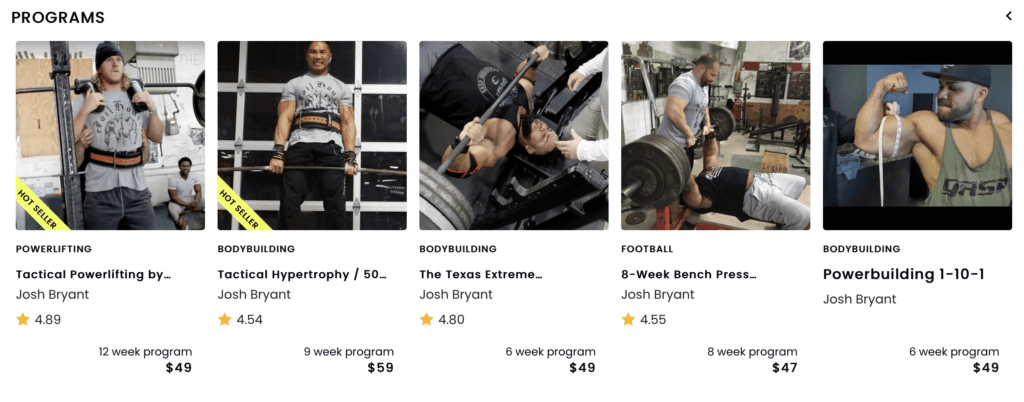
Got the environment? Now get the program. HERE.