Heat: The Poor Man’s Altitude
by Josh Bryant
Back in the day, I trained clients at a fancy gym. They were tough, with more strength and better physiques than your average gym-goer. Then this plush chrome palace added a boxing fitness component led by Coach Jimmy.
Jimmy wasn’t your typical high-end gym guy. He ran a kick-n-stab Latino bar frequented by 40-year-old adolescents and trustees of modern chemistry. Think PJ Grunts in Oxnard, except off Division Street in Arlington, Texas. Rumor had it he got his eye patch from a pair of brass knuckles during a love triangle gone south. I can’t vouch for any of that, but I can tell you Jimmy understood fighting.
Under Jimmy’s guidance, the boxing clients transformed. One of them, Todd, won the novice division at the Ringside Boxing World Championships and decided he wanted to turn pro.
Unfortunately, a local promoter and self-proclaimed coach named Sheldon made Don King look like Mother Teresa. His business model was simple: cruise bodybuilding gyms looking for big, strong guys who couldn’t box, match them against his mediocre stable of fighters, and sell tickets by making it look like they belonged in the ring.
It worked until my buddy Rich knocked out Sheldon’s last prize fighter, a guy named Cornbread. I think Brian Dobson still has the VHS tape somewhere.
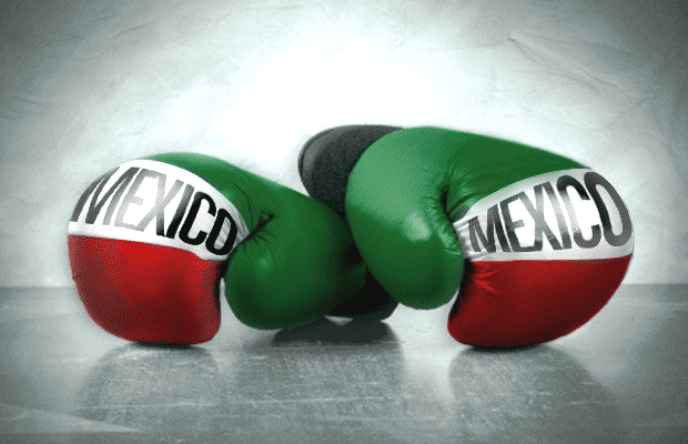
Needing a new attraction, Sheldon set his sights on Todd and lined him up against a fighter from Mexico.
Jimmy hated the matchup and kept saying the same thing:
“Never take a fight from Mexico.”
Todd took it anyway.
The fight was held at a Mexican street festival in Laredo in the middle of summer. Lowriders lined the streets, mariachi bands played, tequila flowed, and enough big-booty Latinas were walking around to make a priest question his career choice. It was a hell of a party!
It was also about 105 degrees with brutal humidity.
Todd had trained hard, but he hadn’t trained for that environment. The weather was only part of it.
These guys grew up fighting a traditional Mexican style. Taking one shot to land three didn’t bother them. Backing up did. Jimmy used to tell stories about backyard fights held before cockfights where the crowd would throw beer cans, rocks, or whatever they could get their hands on if a fighter circled away instead of standing toe-to-toe. Whether every story was true didn’t matter. The mindset was.
Todd came from the amateur game where a jab scored the same as a power punch and movement won rounds. This was professional boxing under a completely different set of expectations against a guy who had lived in those conditions his whole life.
Jimmy wasn’t worried because the other guy was from Mexico. He was worried because Todd was walking into someone else’s world completely unprepared.
His opponent was some pendejo out of Matamoros. I can’t remember his name, but I remember what happened. Two rounds later Todd was staring at the lights while Jimmy just shook his head and said, “They spar fifteen rounds a day with the ring sitting directly in the sun.”
That story stuck with me because Jimmy was right. Todd didn’t lose because he wasn’t tough. He lost because he wasn’t acclimated to the environment.
The same lesson applies whether you’re getting ready for football season, a military deployment, a physically demanding job, or simply training outside during the summer. Heat doesn’t care how much you squat, bench, deadlift, or how mentally tough you think you are. If you haven’t adapted to the conditions, eventually the conditions win.
Heat Acclimatization
Heat acclimatization is your body’s ability to adapt to exercising in hot conditions. Most of these adaptations occur over seven to fourteen days, with roughly 75 percent happening during the first five days.
As your body acclimates, you:
- Perform better in the heat
- Sweat earlier and more efficiently
- Increase plasma volume for better hydration and circulation
- Lower heart rate and core temperature during exercise
- Reduce the effort required to perform the same workload
- Lose less sodium through sweat and urine
These changes aren’t just about comfort. They improve your ability to train, compete, work, and recover when the temperature climbs.
Heat adaptations are highly specific. If you’re preparing for hot, humid conditions, spend time training in hot, humid conditions whenever it’s safe to do so. Athletes with a solid fitness base also acclimate faster and more safely.
Practical Guidelines
Whether you’re a football player, tactical athlete, recreational lifter, or someone who works outside, these guidelines apply:
- Begin acclimatization 7-14 days before preseason, deployment, competition, or heavy outdoor work.
- Gradually increase training volume and intensity.
- Accumulate about 100 minutes of heat exposure each day.
- Stay hydrated before, during, and after training.
- Replace the sodium you lose through heavy sweating.
Heat-related illness and death are largely preventable with proper planning.
Every year, athletes, tactical personnel, and outdoor workers underestimate the heat and pay for it. Don’t be one of them. Spend the time getting acclimated before the temperature becomes the opponent.
Hop on one of Josh’s Training Programs HERE.